esp-idf pain. building a Pacman console

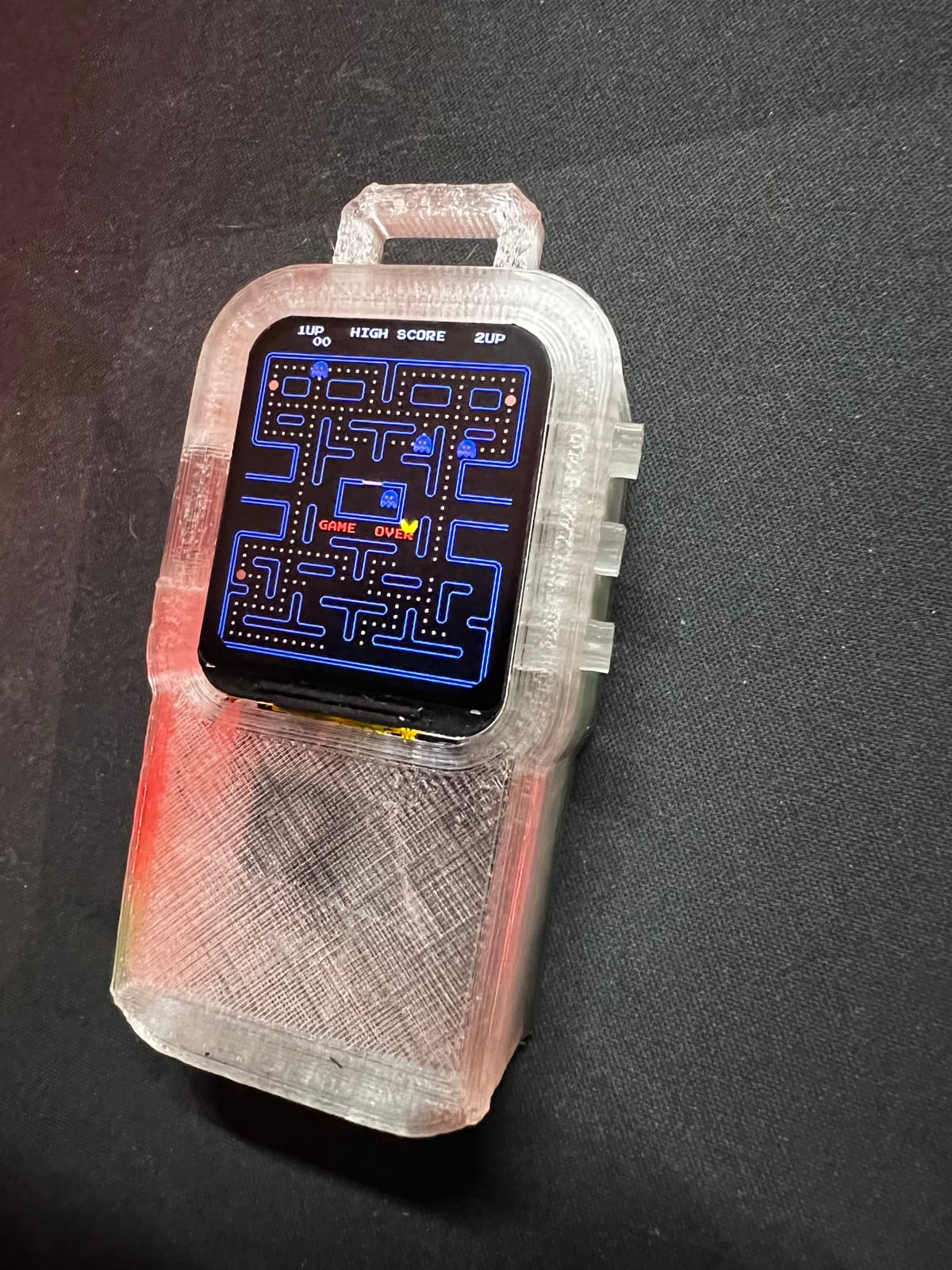
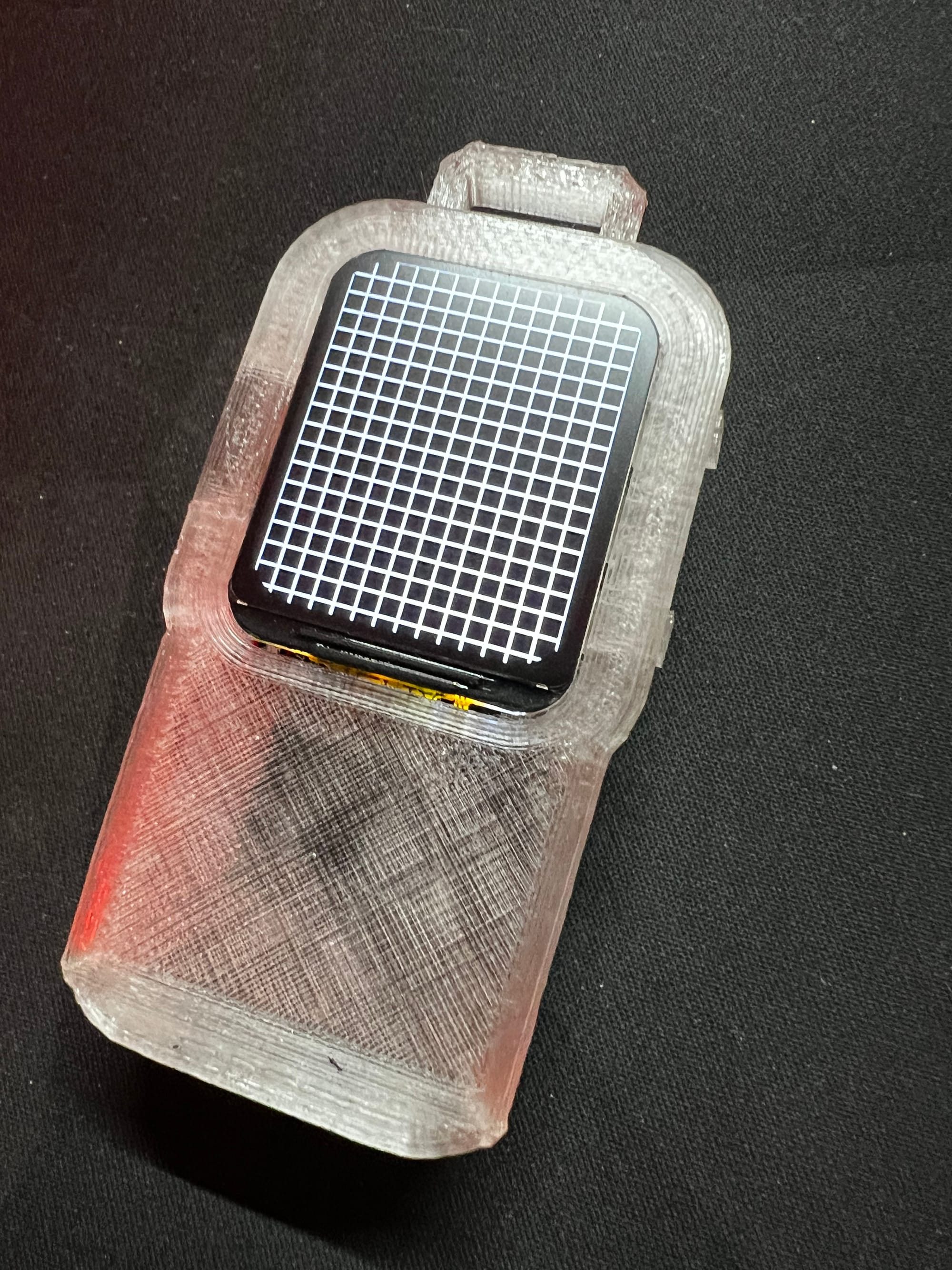
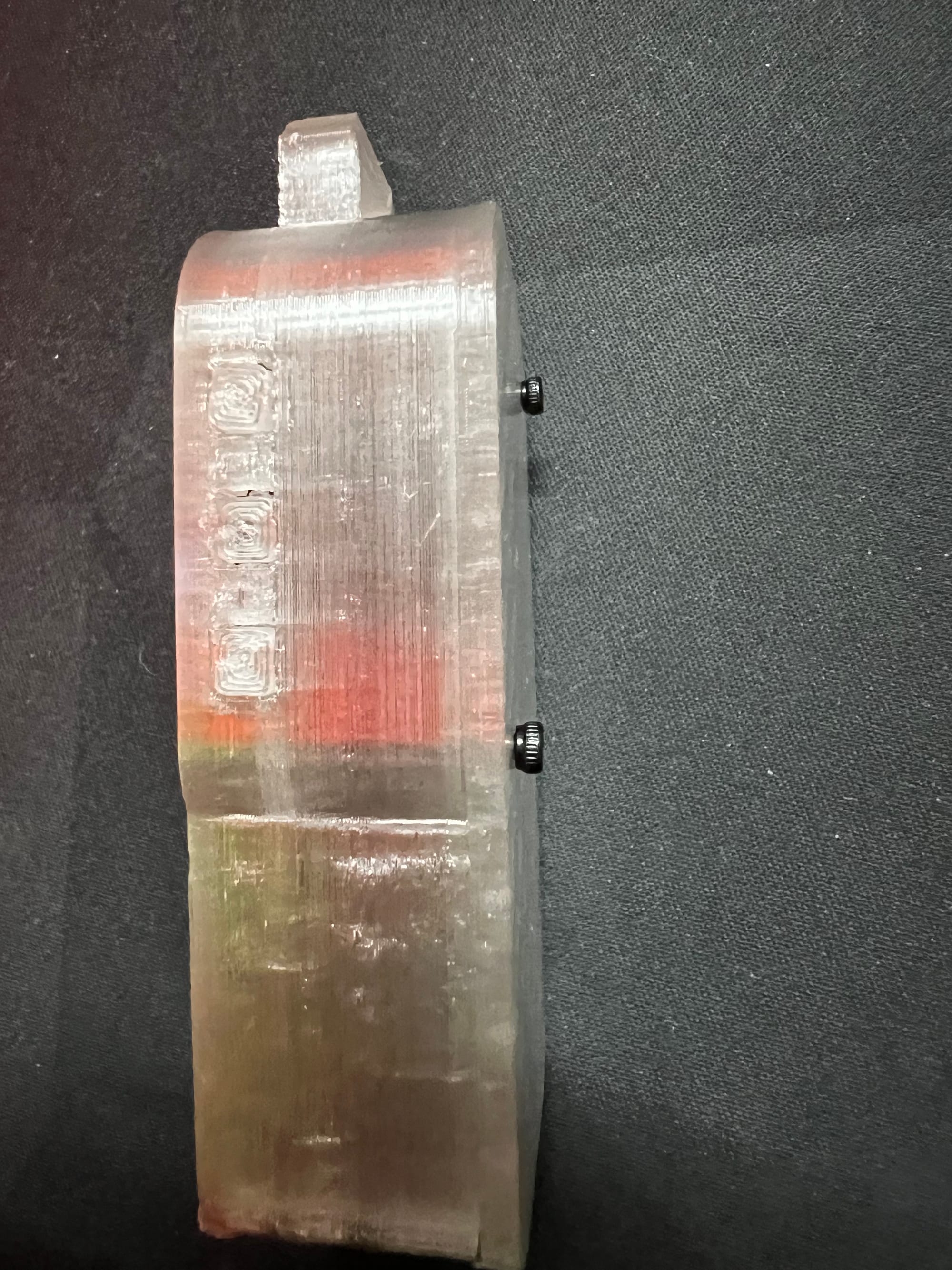
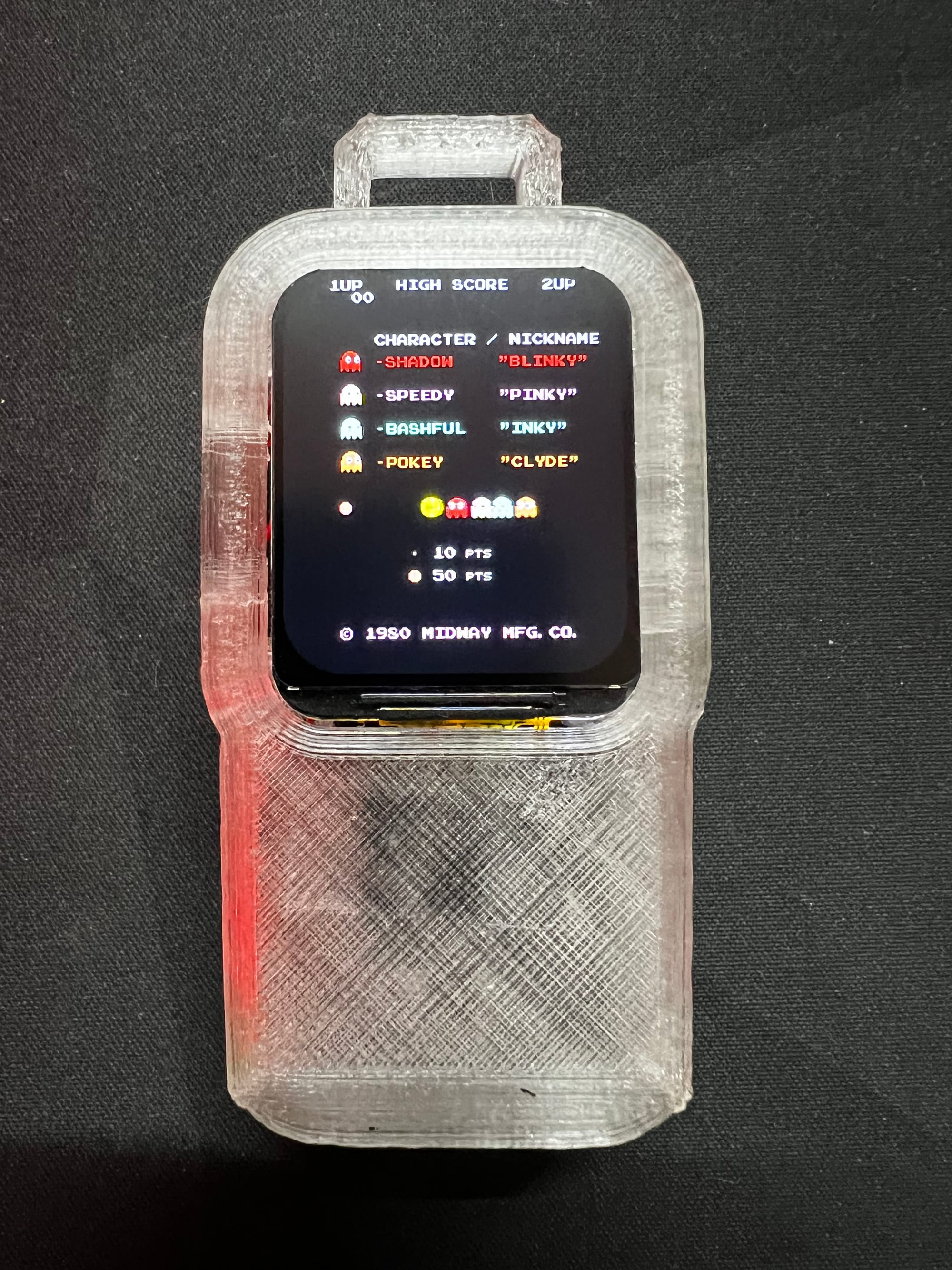
Building a handheld arcade machine is a rite of passage for many makers, but my latest journey—creating a portable Pac-Man powerhouse—pushed me far beyond the comfortable boundaries of the Arduino IDE. The goal was specific: porting the PELLETINO project (a faithful Z80-emulated Pac-Man arcade) onto the Waveshare ESP32-C6 1.69-inch Touch LCD.
While the result is a beautiful, 60 FPS "waka-waka" experience in the palm of my hand, the path to getting there involved a brutal introduction to the ESP-IDF (Espressif IoT Development Framework).
The Hardware: A Perfect Match
The Waveshare ESP32-C6 1.69-inch board is a gem. It features a bright 240×280 ST7789 display, which, as it turns out, is a near-perfect fit for Pac-Man’s original 224×288 resolution. The ESP32-C6’s RISC-V processor provides just enough horsepower for authentic Z80 emulation and Namco WSG audio synthesis. However, making these components talk to each other requires more than just a simple "Upload" click.
A Masterclass in Documentation: The PELLETINO Repository
One of the most refreshing aspects of this project is the sheer quality of thePELLETINO GitHub repository. In the world of open-source hardware, you often run into "code dumps" with little to no explanation. PELLETINO is the exact opposite—it is a brilliant, meticulously crafted resource that serves as a gold standard for documentation.
The author didn't just provide the code; they provided a roadmap. The README is a comprehensive guide that covers everything from the architectural theory of the Z80 emulation to the specific hardware wiring required for the ESP32. It’s the kind of documentation that rewards patience: if you follow the instructions carefully and don’t skip steps, you are almost guaranteed success. It bridges the gap between a complex engineering project and a reachable goal for a dedicated hobbyist.
The ESP-IDF Wall
If you’ve spent your life in the Arduino or PlatformIO ecosystems, the ESP-IDF feels like stepping out of a cozy sedan and into the cockpit of a fighter jet. PELLETINO is built natively on the ESP-IDF to squeeze every drop of performance out of the chip—using SPI DMA for smooth rendering and I2S for high-fidelity (*cough splutter) audio.
The difficulty lies in the complexity of the build environment:
- The Learning Curve: Unlike Arduino’s
.inosketches, ESP-IDF projects are structured with CMake. You aren't just writing code; you are managing components, Kconfig files, and complex partition tables. - Environment Setup: Setting up the toolchain involves Python environments, specific versions of Git, and export scripts that can break if your file paths have a single space in them.
- The "menuconfig" Maze: Instead of a few dropdown menus for "Board" and "Port," you use
idf.py menuconfig. This text-based interface allows you to tweak everything from CPU frequency to internal flash voltage. ...It’s incredibly powerful, but for a beginner, it’s a minefield of settings that can "brick" your software build before it even compiles.
Complexity vs. Convenience
In PlatformIO or Arduino, libraries are "black boxes"—you include them, and they usually work. In the ESP-IDF, you are often working "closer to the metal." To get the Waveshare display to behave, I had to delve into the hardware abstraction layer (HAL) and manually configure GPIOs and DMA channels.
While the Arduino process is designed for accessibility, the ESP-IDF is designed for engineering. The PELLETINO project demands this level of control to maintain a steady 60 FPS while emulating a 40-year-old CPU in real-time. There is no "delay()" function here; everything is handled via FreeRTOS tasks, semaphores, and event loops.
The Verdict
The journey was frustrating. I spent hours debugging compiler errors and fighting with path variables that PlatformIO usually hides behind a sleek UI. But seeing that iconic yellow circle chomping dots on a tiny Waveshare screen made the struggle worth it. If you want to build a truly hobbie-grade emulator, the ESP-IDF is a necessary evil (for this project); but likely will continue to develop, and advance this "toy" project into a cool pience of engineering.